
Introduction: The Challenge of Agile Maturity
In today's dynamic market, achieving high performance is not an accident, but the result of a deliberate process of collective maturity. Building a successful agile team requires much more than applying frameworks like Scrum or Kanban; it requires a deep understanding of human dynamics, organizational psychology, and a culture of collaboration.
At the center of this evolution is Servant Leadership. Unlike the traditional command-and-control model, the servant leader focuses on the growth, empowerment, and well-being of people. They actively work to remove daily impediments, shielding the team from external distractions and ensuring that everyone has the tools and autonomy necessary to shine. By putting the team's needs first, the leader fosters an environment of psychological safety indispensable for innovation.
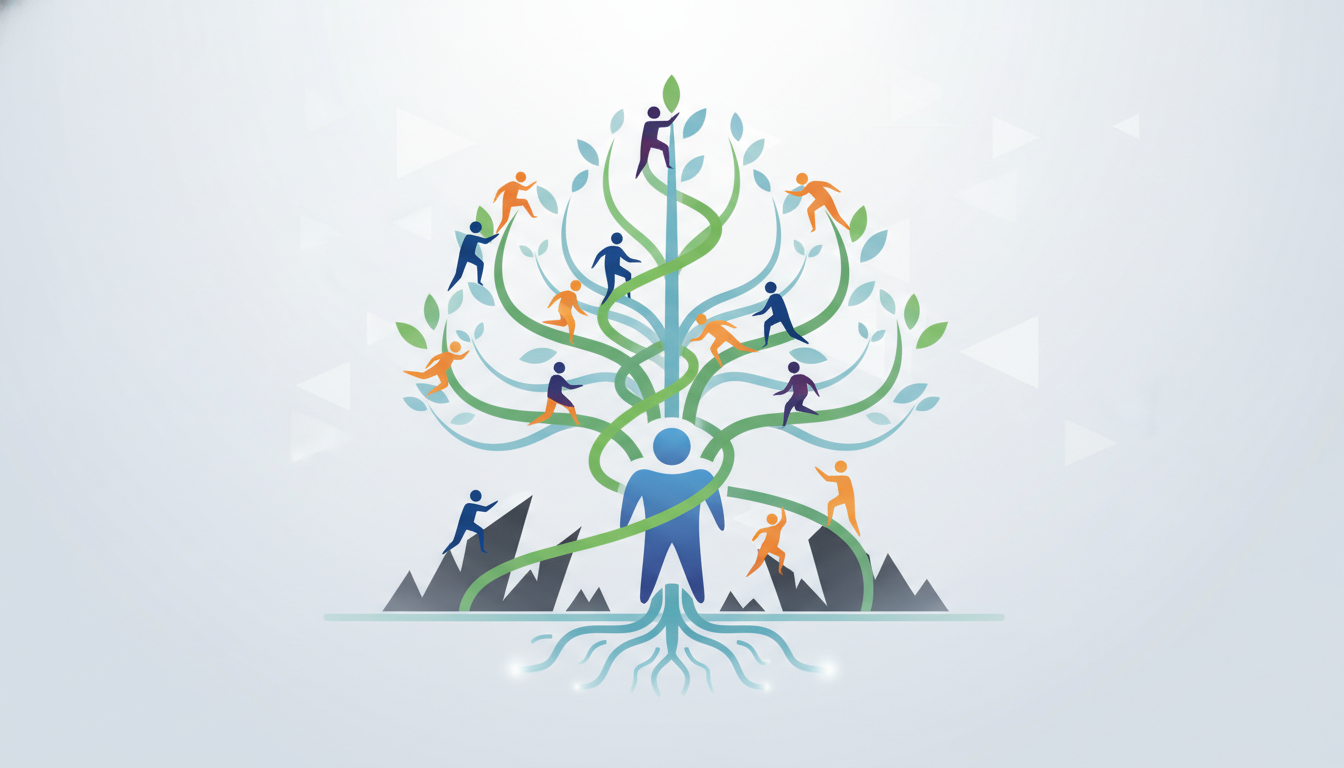
The Tuckman Model and the Life Stages of a Team
To lead the evolution of a team, it is essential to understand that every group of people goes through predictable phases of development. Psychologist Bruce Wayne Tuckman mapped this journey into four fundamental stages: Forming: The introduction phase. Members are anxious, polite, and avoid conflict. Productivity is low because roles are not yet clear. Storming: Barriers break down. Differences of opinion, ego clashes, and friction over processes emerge. This is a turbulent phase, but necessary for alignment. Norming: The team begins to find itself. Working agreements, rules of co-existence, and mutual respect develop. Collaboration becomes natural. Performing: The pinnacle of maturity. The team works synergistically, autonomously, and focused on consistent results, continuously delivering high value.
The J-Curve of Change and Human Reactions
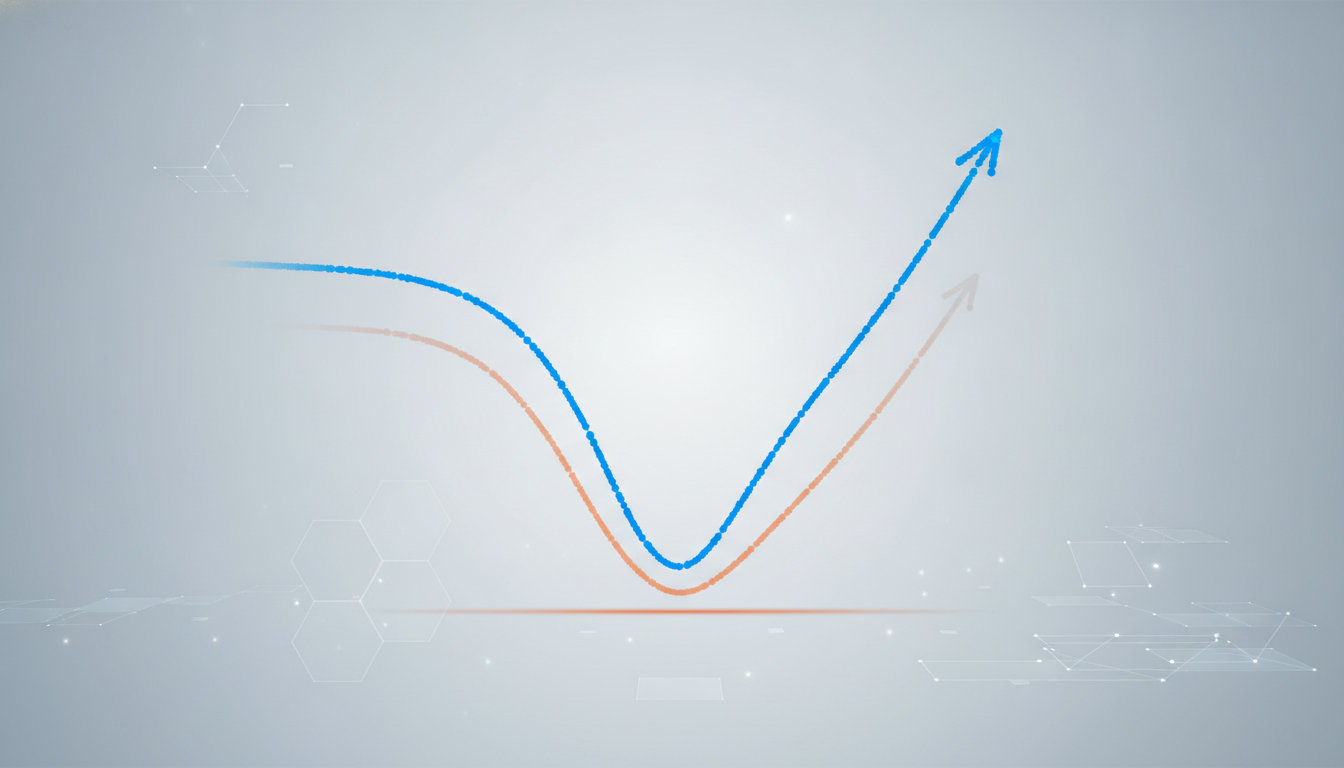
Every transformation or introduction of new agile practices alters the status quo, generating deep psychological impacts. The J-Curve of Change helps us predict and manage these human reactions.
When a change occurs, performance initially drops (the bottom of the 'J') due to the discomfort of the unknown. At this stage, people experience denial, anger, fear, and frustration. Only after this transition phase does the team begin to explore new ideas, integrate new behaviors, and finally reach a level of performance significantly higher than the initial state.
The Intersection of Models: Tuckman vs. J-Curve
By overlaying the Tuckman Model onto the J-Curve of Change, we perceive a revealing synergy. Tuckman's Storming phase coincides exactly with the performance drop at the bottom of the J-Curve.
Understanding this correlation helps the leader act with empathy. Instead of punishing the team for the temporary loss of productivity or the natural friction during a transition, agile leadership should support the team, facilitating healthy discussions and keeping the long-term vision clear. The leader's role is to shorten the time spent at the bottom of the curve, accelerating the path toward norming and high performance.
Transparent Communication as an Antidote to Anxiety
Uncertainty is the greatest generator of anxiety in corporate environments. When team members do not understand strategic decisions or the project's direction, performance drops and stress increases.
Radical transparency in communication acts as an emotional stabilizer. Practices such as constant feedback, visible information radiators, and recurring alignment meetings ensure that everyone navigates with the same map. By clearly stating goals, challenges, and even vulnerabilities, the leader strengthens mutual trust and drastically reduces the group's anxiety.
Generational and Cultural Diversity in Global Teams
In today's globalized scenario, agile teams are melting pots of generational and cultural diversity. Leading successfully requires decoding these nuances:
In addition to generations, the cultural context of globally distributed teams dictates how feedback is received, how problems are reported, and how decisions are made. An effective leader understands these differences and adapts their communication style to include and engage everyone.
To manage this complexity, high-performing teams establish working agreements that respect time zones, language barriers, and individual work styles.
Valuing these differences prevents the formation of cultural silos and enriches the group's creative capacity. The role of leadership becomes that of an intercultural facilitator, ensuring that the plurality of ideas is transformed into innovative solutions, without losing focus on the continuous delivery of value.
The Path to High Performance Is Open
Guiding an agile team to high performance is not a linear task, but rather a continuous journey of adaptation, empathy, and practical learning. By uniting servant leadership, the Tuckman and J-Curve models with clear communication and sensitivity to generational and cultural differences, you will have the ideal tools at hand to transform any group of people into an elite team.
Do you want to keep learning, share your own experiences, and interact with agility professionals from all over the world? Don't make this journey alone! Sign up today for our agile community and connect with people passionate about evolution, innovation, and high organizational performance. We are waiting for you!
Frequently Asked Questions (FAQ)
1. How does servant leadership contribute to high-performing Agile teams?
Servant leadership empowers team members by removing operational blockers and fostering psychological safety rather than issuing top-down directives. This approach boosts ownership, speeds up decision-making, and allows the team to self-organize effectively. Ultimately, it shifts the focus from managing tasks to enabling sustainable high performance.
2. How can Agile leaders navigate the Tuckman model stages to build team maturity?
The Tuckman model describes five stages of team development: Forming, Storming, Norming, Performing, and Adjourning. Agile leaders use this framework to tailor their leadership style, moving from direct coaching during Storming to delegation during Performing. By anticipating these transitions, leaders help teams resolve conflicts faster and achieve high performance sooner.
3. What is the J-Curve effect in Agile team performance, and how should it be managed?
The J-Curve illustrates an initial drop in productivity when a team adopts new Agile practices before achieving higher performance levels. Leaders must manage this dip by setting realistic expectations with stakeholders and providing continuous support during the adaptation phase. Recognizing this temporary decline prevents premature panic and ensures long-term process adherence.
4. How can leaders accurately measure Agile team performance and maturity?
Team maturity and performance are measured using a combination of flow metrics, quality indicators, and qualitative health checks. Key metrics include throughput consistency, lead time, cycle time, and continuous delivery of value rather than raw velocity alone. Regular retrospectives and satisfaction surveys provide crucial contextual insights to complement quantitative data.
5. How can an Agile leader help a team overcome the Storming stage quickly?
Leaders facilitate progress through the Storming phase by establishing clear working agreements, encouraging transparent communication, and mediating constructive conflict. Fostering a blameless culture helps team members realign on shared goals without fear of failure. As mutual trust builds, team members transition smoothly into Norming and eventually high-level Performing.